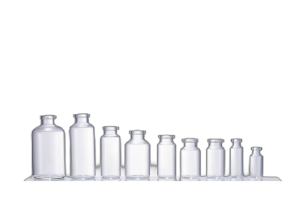
Providing reliable packaging solutions is essential in today’s pharmaceutical landscape. Tubular glass vials have emerged as the preferred choice for various applications, including biological products, sterile injection powders, vaccines, and blood products. The performance of these tubular vials can be significantly enhanced through various surface treatments, ensuring compliance with industry standards and improving overall reliability.
The Importance of Surface Treatments
Surface treatments play a critical role in the overall functionality of tubular vials. Glass itself has inherent properties that make it suitable for pharmaceutical applications; however, treating the surface can expand these capabilities. By employing specific surface treatments, manufacturers can improve resistance to chemicals, enhance performance during fill-and-finish operations, and ensure longer shelf lives for drug products.
For instance, treatments that enhance hydrolytic resistance prevent the leaching of ions from the vial into its contents, which is particularly crucial for sensitive biological compounds. Additionally, treatments that increase thermal shock resistance ensure that the vials can withstand extreme temperature variations during sterilization and storage processes. As such, choosing the right surface treatments is vital for maximizing the effectiveness of tubular glass vials.
Compliance with Relevant Standards
Ensuring that tubular glass vials meet stringent regulatory standards is foundational for any pharmaceutical packaging. Our tubular vials comply with USP, EP, JP, YBB, and ISO standards, guaranteeing that they meet the required safety and efficacy guidelines. This compliance is further backed by a 100% online inspection system for appearance and dimensions, which rigorously evaluates each vial for defects and inconsistencies before they leave the production line.
Adopting advanced surface treatments not only helps meet these standards but also aligns with industry best practices for safety and performance. For instance, hydrolytic resistance improves stability by preventing ion leaching, while thermal shock resistance ensures durability during sterilization. Chemical resistance coatings protect against degradation, and anti-fogging treatments enhance visibility. Low-friction treatments facilitate handling, while barrier coatings extend shelf life. Additionally, bio-compatible coatings maintain safety for biological products, making these treatments essential for compliance and reliability in pharmaceutical packaging.
The Future of Tubular Vial Innovation
As the pharmaceutical industry evolves, so too does the technology behind tubular glass vials and their surface treatments. Our continual investment in R&D allows us to explore innovative treatments and coatings that can further improve the properties of our vials. From the ability to withstand aggressive chemicals to improved clarity and visibility, the future is promising for tubular vials.
At Linuo, we are committed to delivering excellence in our tubular glass vials. Our state-of-the-art manufacturing processes and dedication to quality ensure that our products not only meet but exceed expectations. By utilizing advanced surface treatments and adhering to international standards, we position ourselves as a reliable partner in pharmaceutical packaging. Together, we can achieve the highest level of performance and safety in your operations.