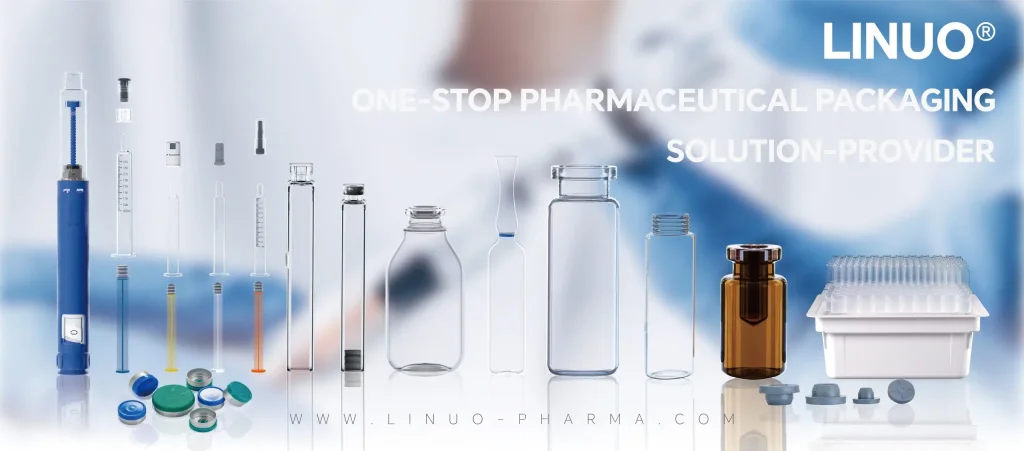
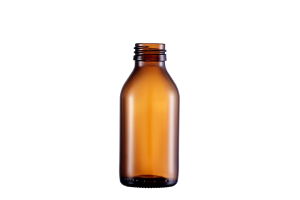
Consider the complex journey of a drug product, from formulation to patient. Its primary protective barrier is often a pharma glass bottle sealed with a glass rubber stopper. The integrity of this glass pharmaceutical packaging is not left to chance; it is governed by a rigorous framework of pharmacopeial standards. For global manufacturers, navigating the requirements of the United States Pharmacopeia (USP), European Pharmacopoeia (EP), and Japanese Pharmacopoeia (JP) is a fundamental aspect of quality assurance. At LINUO, we view these standards not as hurdles, but as the essential blueprint for creating safe, reliable, and compliant primary packaging.
The Role of Pharmacopeias in Material Qualification
Pharmacopeias set the legally recognized benchmarks for drug quality. Their chapters on glass containers define strict criteria for chemical resistance, hydrolytic stability, and surface finish. Each type of pharma glass bottle, from tubular to molded formats, must demonstrate its ability to withstand interactions with the drug formulation it contains. This is critical because the chemical composition of the glass can influence pH stability or cause delamination. We engineer our glass pharmaceutical packaging to not only meet but consistently exceed the baseline tests described in these monographs, providing a foundation of material reliability before a product even enters stability testing.
Implications for Component Compatibility and Performance
The scope of these standards extends beyond the container itself to the complete closure system. The interaction between a pharma glass bottle and its glass rubber stopper is a critical interface. Pharmacopeial guidelines address extractables and leachables, mandating that packaging components do not introduce harmful substances into the drug product. The composition and curing process of the elastomer in a glass rubber stopper must be carefully controlled to ensure compatibility. Our approach involves a holistic view of the entire package, ensuring that both the glass and closure components are designed in concert to pass the rigorous biological and physicochemical tests mandated by USP, EP, and JP.
Strategies for Global Compliance and Supply
Operating in international markets means a single product may need to satisfy multiple pharmacopeial standards. While harmonization exists, differences between USP, EP, and JP requirements for glass pharmaceutical packaging can present challenges. A successful strategy involves designing packaging systems that fulfill the strictest criteria among them. For instance, our qualification protocols for a pharma glass bottle often include testing suites that cover all relevant chapters from each pharmacopeia. This proactive method streamlines the regulatory submission process for our partners and prevents costly delays, ensuring a robust and defensible data package for global filings.
Adherence to USP, EP, and JP standards is a non-negotiable element of pharmaceutical manufacturing. It directly correlates to patient safety and product efficacy. By prioritizing these specifications from the initial design phase, LINUO ensures that every pharma glass bottle and its integrated glass rubber stopper delivers the required performance. This commitment transforms glass pharmaceutical packaging from a simple container into a verified and critical component of drug delivery, supporting the integrity of medicines worldwide.