
The pharmaceutical industry continuously seeks advancements that enhance the safety, efficacy, and convenience of drug delivery systems. One such innovation is glass prefilled syringes. At LINUO, we understand the critical role these syringes play in medical applications, from ensuring precise dosages to offering contamination-free, user-friendly experiences. In this article, we will discuss the types of prefilled syringes, explore the advantages and disadvantages of glass prefilled syringes, and provide insights into why they remain a staple in medical and pharmaceutical fields.
Ensuring Accuracy and Safety in Dosage
One of the standout features of glass prefilled syringes is their ability to deliver precise, accurate doses. At LINUO, we manufacture prefilled syringes that ensure minimal residue, reducing the risk of under or overdosing. This precision is especially crucial in pharmaceutical and medical applications, where accurate dosing can be the difference between efficacy and adverse effects. Unlike traditional vials, these syringes offer an easy and secure way to administer medications, improving safety for both healthcare professionals and patients.
Versatility Across Various Applications
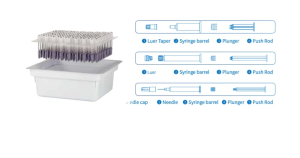
The versatility of prefilled syringes makes them suitable for numerous uses, including cosmetic applications. Their ability to handle a wide range of formulations, from injectable medications to dermal treatments, makes them a preferred choice across industries. LINUO provides 25G/27G needles, making these syringes ideal for both large and small volume applications, depending on the need. Their nested and tubular packaging ensures clean, convenient use, further elevating the user experience. Whether it’s for pharmaceuticals or beauty treatments, these syringes can be tailored to meet specific demands, proving their widespread utility.
Drawbacks of Glass Prefilled Syringes
Despite the many benefits, glass prefilled syringes do come with some downsides. One of the primary concerns is their potential for breakage, especially when compared to their plastic counterparts. Glass is more fragile and may require extra packaging or care during transport and storage to prevent damage. Additionally, the manufacturing process for glass prefilled syringes is more complex and may come at a higher cost, which could be a concern for companies with limited budgets.
Conclusion
In conclusion, while glass prefilled syringes offer remarkable benefits such as precision in dosage, low residue, and versatility across industries, they do have some limitations, primarily related to fragility and cost. As prefilled syringe manufacturers, we continuously strive to innovate and improve the reliability and performance of prefilled syringes, ensuring they remain a valuable tool in pharmaceutical, medical, and cosmetic applications. Understanding both the pros and cons allows users to make informed decisions, ensuring the best outcomes for their specific needs.