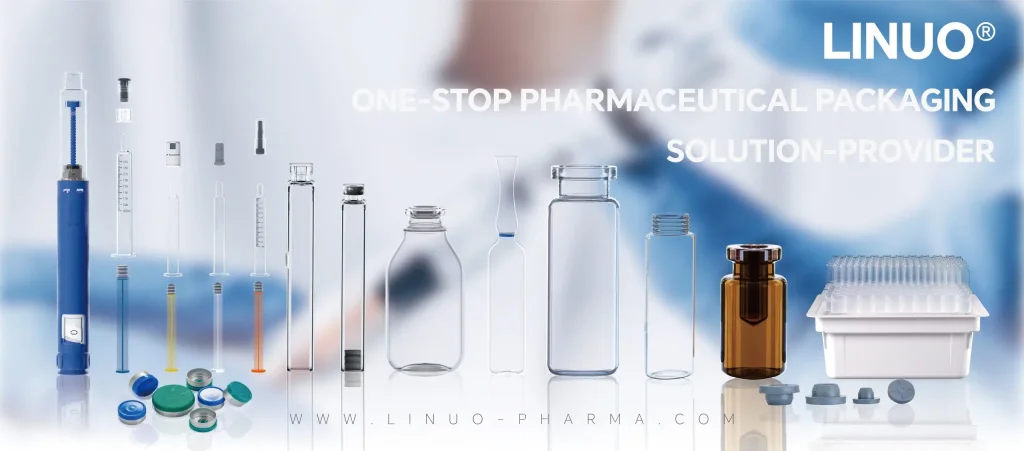
In the production of ready-to-use pharmaceutical systems, the margin for component variation is exceptionally narrow. At LINUO, we see the integrity of the primary container as a non-negotiable element of final product safety. For ready to use cartridges, this integrity is fundamentally governed by the consistency of the glass wall. Automated inspection technologies have become indispensable in verifying this consistency, directly ensuring the pressure resistance and reliability of RTU cartridges destined for sensitive drug formulations.
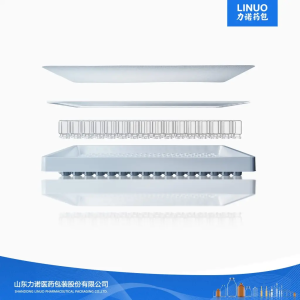
The Direct Link Between Wall Thickness and Functional Reliability
The performance of any ready to use cartridges is inherently tied to its physical geometry. Uniform wall thickness is not merely a cosmetic specification; it is a critical determinant of mechanical strength. A section of glass that is too thin becomes a structural weak point, compromising the pressure resistance required during both the fill-finish process and the final drug delivery. Conversely, excessive thickness can lead to issues with thermal stress during sterilization and inconsistent interaction with delivery devices. For manufacturers of ready to use products, controlling this parameter is the first step in guaranteeing that every unit performs identically under stress.
Precision Measurement Through Automated Vision Systems
Manual sampling and destructive testing are insufficient methods for validating RTU cartridges intended for high-volume production. Modern automated inspection systems utilize high-resolution lasers and machine vision to perform 100% in-line measurement of each cartridge. This technology creates a detailed topographic map of the entire glass wall, identifying micron-level deviations in thickness that human inspection would miss. At LINUO, this level of scrutiny is applied to ensure every ready to use cartridges meets its precise dimensional specifications. The data collected is not just for rejection; it provides feedback for upstream process control, creating a closed-loop system that continuously refines the manufacturing of ready to use products.
From Dimensional Data to Guaranteed Pressure Performance
The ultimate purpose of measuring wall thickness is to predict and assure pressure resistance. Automated systems correlate the collected dimensional data with known material strength properties. By identifying and rejecting any cartridge with a thickness profile that falls outside the validated safe window, the system prevents units with inadequate pressure resistance from advancing. This proactive quality gate is essential. It ensures that the final RTU cartridges can withstand internal pressures from the drug formulation, external forces from handling and transportation, and the mechanical stresses imposed by auto-injector or pen devices.
The implementation of automated inspection represents a commitment to quality by design. It transforms a critical quality attribute—glass wall thickness—from a sampled statistic into a continuously verified characteristic for every single unit. This process is fundamental for producing trustworthy ready to use cartridges. For developers of ready to use products, this level of assurance is integral to mitigating risk in their drug delivery platforms. At LINUO, we view this technology as an essential partner in our mission to supply RTU cartridges that provide consistent, reliable performance, where uniform thickness is the proven foundation of durable pressure resistance.