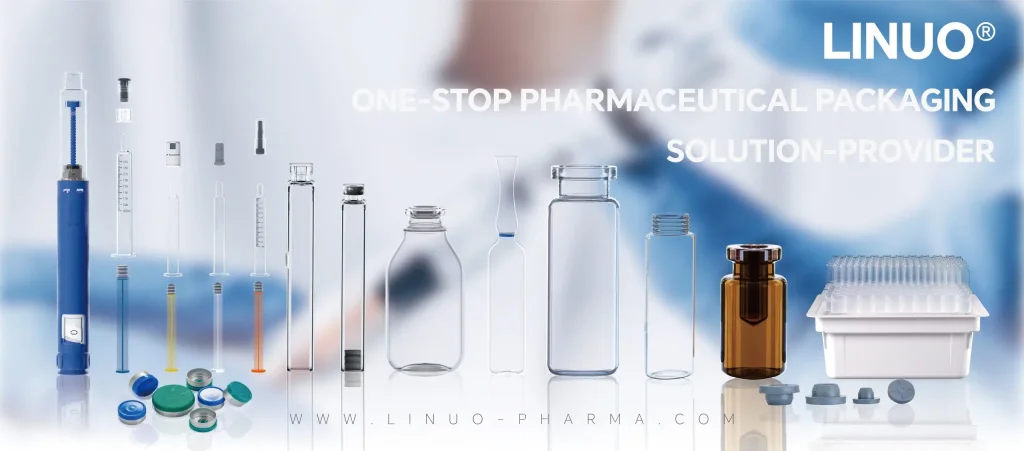
Ensuring the integrity of every pharma glass bottle is a foundational responsibility in our industry. As a pharmaceutical glass bottles manufacturer, we at LINUO recognize that traditional inspection methods, while valuable, can encounter limitations in speed and consistency when faced with modern production volumes. This reality directs our focus toward more reliable technological solutions. The pursuit of absolute quality demands a shift from manual sampling to comprehensive, technology-driven scrutiny. For critical containers like RTU vials, which often bypass additional cleaning steps, this need becomes non-negotiable. We invest in advanced inspection methodologies not as a mere upgrade, but as an essential component of a trustworthy supply chain.
The Role of Automated Systems in Consistent Inspection
Automation provides the framework for unwavering inspection protocols. In our manufacturing process, automated handling systems guide each pharma glass bottle through a dedicated inspection zone with precise orientation and control. This mechanical consistency eliminates the variability inherent in manual handling, such as differences in rotation speed or viewing angle. For a pharmaceutical glass bottles manufacturer, this means every single unit, from the smallest ampoule to a larger vial, is presented to the inspection sensors under identical conditions. The system’s reliability ensures that production throughput does not come at the expense of inspection rigor, creating a stable and predictable quality assessment environment for all products, including ready-to-use RTU vials.
Machine Vision as the Critical Sensory Tool
While automation handles the physical flow, machine vision acts as the intelligent sensory layer. These systems utilize high-resolution cameras and specialized lighting to capture detailed images of each container. Sophisticated algorithms then analyze these images for defects invisible to the human eye, such as micro-cracks, subtle striations, or minute particulate matter on the glass surface. This capability is crucial because the performance of a pharma glass bottle depends on its flawless condition. The precision of machine vision allows us to detect anomalies that could compromise sterility or strength, providing a level of assurance that supports the safety of the final drug product. This technological scrutiny is applied stringently to every RTU vial we produce.
Achieving a Zero-Defect Standard Through Integration
The true objective is realized only when automation and machine vision are seamlessly integrated into a single, coherent system. This integration forms a closed loop where the automated handler positions the container, the vision system makes a millisecond judgment, and a subsequent automated mechanism rejects any non-conforming unit without interrupting the production line. This synergy is how a pharmaceutical glass bottles manufacturer can realistically work toward a zero-defect standard. It transforms inspection from a passive checkpoint into an active, real-time quality control process. Each pharma glass bottle is guaranteed to have undergone this rigorous electronic assessment, and each batch of RTU vials carries a consistent quality signature backed by empirical data.
We believe that exceptional quality is engineered into products through deliberate technological choices. For LINUO, integrating advanced automation with precise machine vision is a logical and necessary step in our mission. It represents our commitment to providing pharma glass bottle integrity that our partners can depend on. This approach allows us to deliver RTU vials and other critical containers with the confidence that stems from scientifically robust and consistently applied inspection protocols.