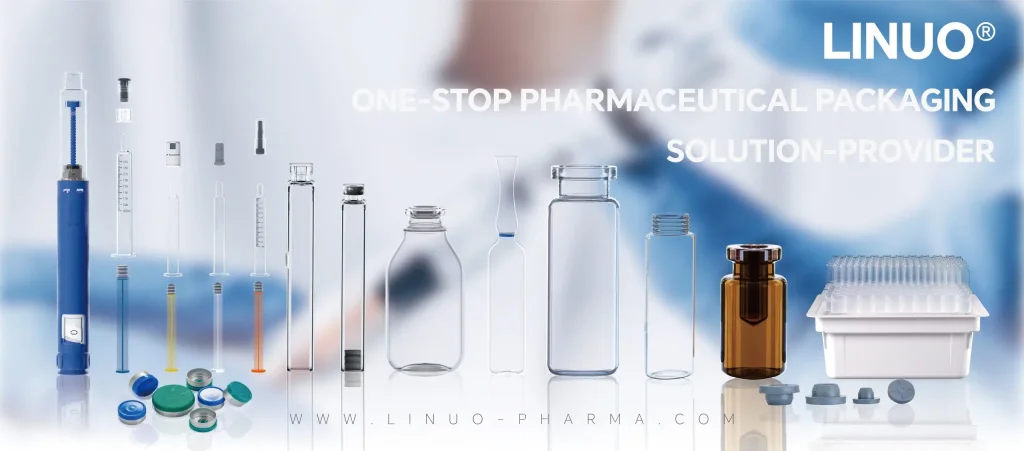
Evaluating primary packaging for injectable drugs requires a meticulous balance of material science, regulatory compliance, and practical performance. For aqueous formulations, the choice between plastic and glass cartridges is a frequent point of analysis. Each material presents a distinct profile of advantages and trade-offs. At LINUO, we specialize in glass-based solutions, drawing on our deep knowledge of pharmaceutical glass tubing to produce precise pharma cartridge systems. This comparison outlines the critical factors to consider, ensuring your selection supports both product integrity and delivery system functionality.
Material Compatibility and Barrier Properties
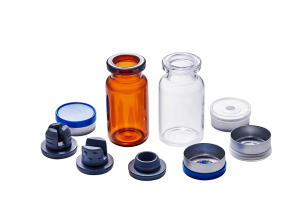
The inherent compatibility of the container material with the drug formulation is the foremost concern. Glass, derived from pharmaceutical glass tubing, is universally recognized for its chemical inertness. It provides an impermeable barrier against gases and moisture, preventing leaching or adsorption and ensuring the stability of sensitive aqueous biologics or peptides over the product’s shelf life. Plastic polymers, while advanced, may require extensive compatibility studies to rule out interactions like the sorption of active ingredients or the leaching of additives. For formulations where absolute inertness is non-negotiable, a pharma glass bottle or cartridge has a proven, reliable history. The certainty of glass compatibility often simplifies the regulatory pathway.
Mechanical Performance and Usability Factors
Functional performance in the patient’s hands is another differentiator. Plastic cartridges can offer benefits in weight and shatter resistance, which may contribute to device design flexibility and user safety in specific contexts. However, the mechanical precision of a pharma cartridge is vital. Glass cartridges, formed from high-quality pharmaceutical glass tubing, provide exceptional dimensional stability and internal surface smoothness. This ensures consistent glide force for the plunger, leading to reliable dose accuracy and a predictable user injection experience. Plastic may be susceptible to creep or deformation under long-term stress from the plunger, potentially affecting dosing consistency—a significant factor for chronic therapies like insulin.
Making an Informed Selection for Your Formulation
The decision between plastic and glass is not abstract; it is directly tied to the specific aqueous drug profile and its lifecycle. A thorough assessment should start with compatibility testing under real-world storage conditions. Next, consider the device mechanics: the required precision and force profiles often align with the inherent rigidity of glass. Finally, factor in the supply chain; a proven pharmaceutical glass tubing supplier like LINUO offers a robust, consistent material stream. While plastic can be suitable for certain less-sensitive formulations, the historical and functional reliability of a glass pharma cartridge presents a low-risk, high-performance option for critical injectables.
Selecting the optimal cartridge material for an aqueous formulation demands moving beyond general assumptions. It requires a clear-eyed review of chemical barrier needs, mechanical performance in the delivery device, and long-term stability data. Plastic polymers have their place in the packaging portfolio, particularly where shatter resistance is paramount. However, for ensuring the utmost stability, compatibility, and dosing accuracy of sensitive injectables, glass remains a benchmark. At LINUO, we channel our expertise in pharmaceutical glass tubing into every pharma cartridge we produce. We provide the material confidence and precision engineering that turns a pharma glass bottle concept into a trusted drug delivery component.