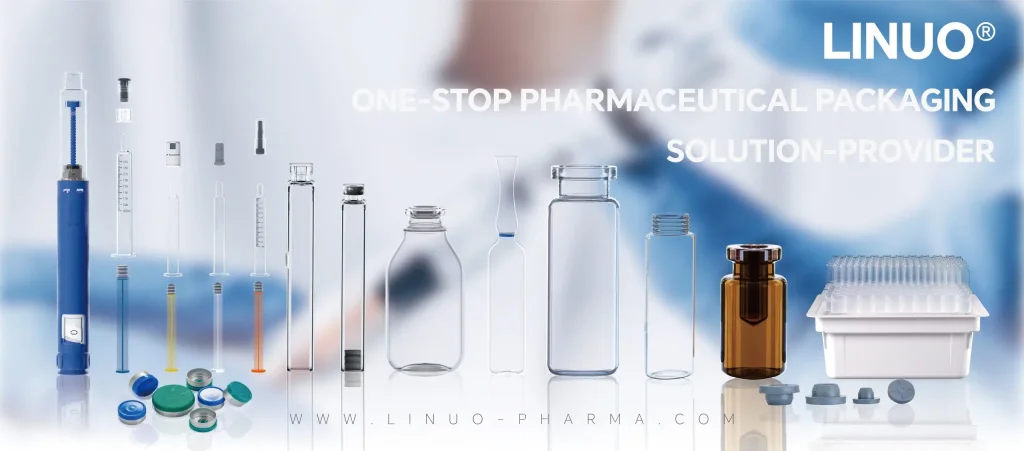
Maintaining the structural and biological integrity of biosimilar formulations from production to patient administration is a fundamental requirement. This necessity places a distinct set of demands on primary packaging, where the barrier properties and compatibility of the container are critical. For ready to use products like biosimilars, the selection of RTU cartridges over other formats is frequently driven by their engineered capacity to support consistent stability over extended periods.
Mitigating Interaction Risks Through Advanced Primary Packaging
The long-term storage of sensitive biological molecules requires a primary container that acts as a reliable, inert barrier. RTU cartridges designed for this purpose are engineered to minimize interactions. A key focus is on controlling the presence and migration of silicone oil, a common lubricant necessary for plunger movement. Advanced processing techniques aim to create a more stable, cross-linked silicone layer that resists shedding. This reduces the risk of sub-visible particle formation or protein aggregation, which are primary concerns for biosimilar stability. When compared to some traditional RTU vials, the cartridge system’s design and controlled siliconization process offer a distinct approach to preserving formulation purity from fill to finish.
Precision Manufacturing for Consistent Barrier Performance
The inherent stability of a biosimilar in a cartridge is only as robust as the consistency of the container itself. High-quality RTU cartridges rely on precision molding from materials like borosilicate glass or specific polymers, which provide excellent chemical resistance. At LINUO, our manufacturing process emphasizes dimensional tolerance and surface quality. Consistent wall thickness and interior smoothness are not merely cosmetic details; they are vital for ensuring uniform thermal behavior during sterilization and predictable drug-product contact throughout the shelf life. This level of manufacturing control, integral to producing reliable ready to use products, helps prevent delamination or other physical changes that could compromise the hermetic seal and, by extension, the stability of the drug product during storage.
Validating Stability Through Integrated System Compatibility
Assuring long-term stability extends beyond the cartridge alone to encompass the entire closure system. The interaction between the glass barrel, the elastomeric plunger, and the aluminum seal must function as a singular, immutable unit. The formulation of the plunger is particularly critical, as its compatibility with the biosimilar must prevent leachable migration or absorption of the active ingredient. For a pharmaceutical glass bottles manufacturer like LINUO transitioning expertise into cartridge systems, this demands a holistic view. Our approach involves rigorous compatibility testing under ICH stability conditions, validating that our RTU cartridges perform as an integral component of the drug product’s lifecycle. This process ensures that the ready to use products our partners deliver maintain their efficacy and safety profiles from the moment they leave our facility.
The role of primary packaging in the biosimilar market is fundamentally protective. Selecting RTU cartridges for these advanced ready to use products is a technical decision centered on risk mitigation. By focusing on interaction prevention, manufacturing precision, and full-system validation, these packaging systems provide a robust solution for the extended shelf-life demands of biosimilars. For partners seeking reliable RTU vials or cartridge systems, the priority must be on a supplier’s demonstrated control over these critical factors, ensuring that the promise of a biosimilar—delivering consistent therapeutic performance—is secured from long-term storage through to final delivery.