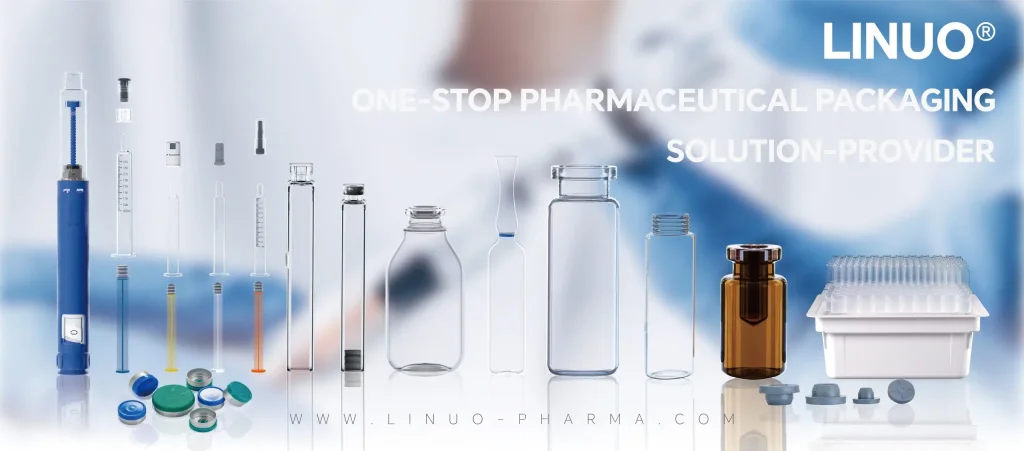
Assessing packaging options involves more than unit cost; it requires a full analysis of internal resource allocation and facility logistics. A critical differentiator between Ready-to-Use systems and traditional vials is their demand on cleanroom infrastructure. The term Ready-to-Use products signifies a shift of essential preparation steps from the drug manufacturer to the component supplier. At LINUO, we supply RTU vials designed to alter this footprint. Understanding the distinction between Ready-to-Use vials and traditional vials in this area highlights operational and strategic implications.
Divergence in Pre-Fill Preparation Processes
The fundamental difference begins long before the filling needle engages. Traditional vials typically arrive at a facility in a “clean” but not sterile state. They must undergo a multi-step washing, depyrogenation, and sterilization process in-house, requiring dedicated cleanroom suites with specialized equipment like vial washers and tunnel ovens. Ready-to-Use vials undergo these critical steps at the supplier’s site under controlled conditions. The RTU vials are delivered in sterile packaging, ready for direct introduction into the aseptic filling area. This upstream transfer of work eliminates the need for the drug manufacturer to host and manage the entire preparatory cleanroom chain internally.
Impact on Facility Space and Utility Consumption
This process shift creates a tangible difference in facility design and resource use. Housing washing and depyrogenation equipment demands significant cleanroom floor space, which is among the most expensive real estate to build and maintain. Furthermore, these processes consume substantial utilities, including large volumes of Water for Injection (WFI) and energy for high-temperature tunnels. By adopting Ready-to-Use products, a manufacturer can reallocate this square footage. The space and utilities previously dedicated to vial preparation can often be repurposed for core value-added activities like additional filling lines or quality control labs, creating a more efficient facility footprint.
Influence on Operational Flow and Contamination Control
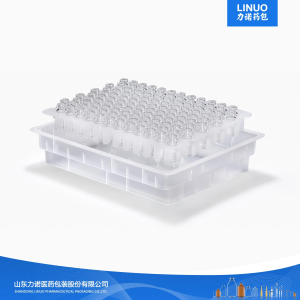
The choice also affects operational workflow and risk profiles. Integrating traditional vial preparation introduces more stages, mechanical handling, and transfer points before filling, each representing a potential source of particulate generation or processing delay. RTU vials simplify the material flow into the aseptic core. Their use typically involves unpacking the sterile nested Ready-to-Use vials directly into the filling line feed, reducing handling steps and transit within the cleanroom. This streamlined pathway can support a leaner operational footprint, minimize movement that could disrupt air patterns, and reduce the procedural complexity staff must manage within the controlled environment.
The contrast between traditional and Ready-to-Use vial systems is profoundly evident in cleanroom footprint. The traditional model necessitates internal investment in space, equipment, and utilities for preparation, while the Ready-to-Use products model consolidates this at the supplier level. Opting for RTU vials is not merely a purchasing decision; it is a strategic choice regarding facility design, resource allocation, and process simplification. It allows pharmaceutical companies to concentrate their cleanroom footprint on the irreplaceable act of aseptic filling. At LINUO, our role is to provide reliably processed Ready-to-Use vials that enable this focused and efficient operational model, supporting a cleaner and more streamlined path from receiving dock to filled product.