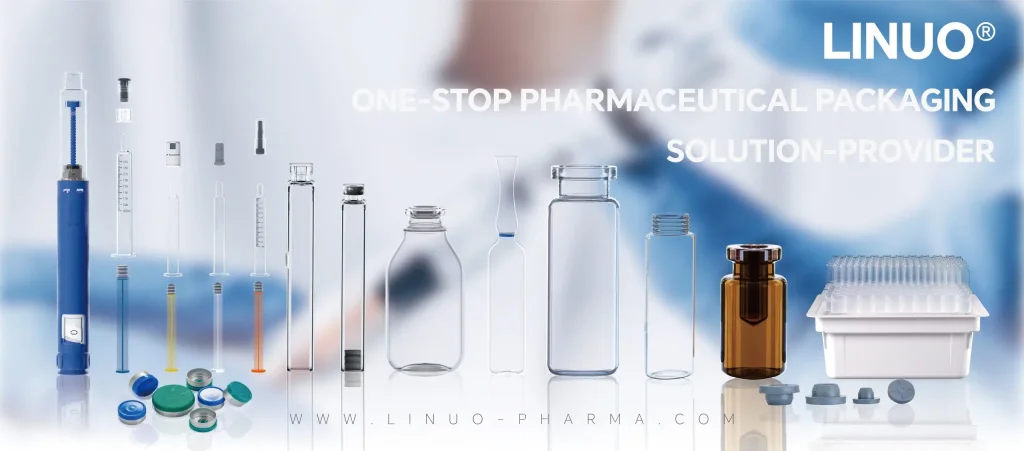
In the world of drug formulation and biotech solutions, the container is as critical as the content it holds. For professionals tasked with specifying primary packaging, a clear grasp of the options available is necessary. This resource outlines the core aspects of the pharma glass bottle, providing a foundational understanding of its definition, common classifications, and primary applications within the industry. As a dedicated pharmaceutical glass bottles manufacturer, LINUO focuses on the science and precision behind glass pharmaceutical packaging to meet these diverse application needs.
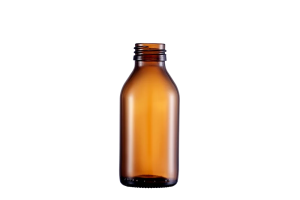
Defining the Pharmaceutical Glass Bottle
A pharmaceutical glass bottle is a container specifically engineered for storing parenteral, ophthalmic, oral, or topical drug products. Its function extends far beyond simple storage; it is a critical component designed to preserve sterility, ensure stability, and maintain the efficacy of the formulation from production through to administration. The material is typically a type of glass formulated for high chemical resistance, often borosilicate. The design and performance standards for a pharma glass bottle are governed by strict pharmacopoeial regulations, which define criteria for hydrolytic resistance, thermal shock endurance, and light transmission. This makes the choice of a pharmaceutical glass bottles manufacturer a decision rooted in compliance and product protection.
Primary Types and Their Classifications
Pharmaceutical glass is systematically categorized to match container performance with drug sensitivity. The most common classification system, found in global pharmacopoeias, divides glass into Types I, II, and III. Type I glass is borosilicate, offering the highest resistance to chemical attack and thermal shock, making it the standard for sensitive injectables, vaccines, and biologics. Type II glass is typically treated soda-lime glass, providing good chemical resistance suitable for many less sensitive parenteral and non-parenteral products. Type III is soda-lime glass, often used for oral solids or topical preparations. Within these types, forms vary widely, including vials, ampoules, cartridges, and bottles for syrups or droppers, each representing a specialized segment of glass pharmaceutical packaging.
Key Uses Across Drug Delivery Formats
The application of a pharma glass bottle is determined by the drug’s route of administration and stability requirements. For injectable drugs, sterile vials and ampoules are paramount, providing a hermetic environment for liquids, lyophilized powders, or suspensions. Pre-fillable syringes, comprising a glass barrel and other components, allow for precise dosing and direct administration. For ophthalmic and nasal solutions, dropper bottles made from treated glass offer safe application. Larger glass bottles are used for infusions, liquid oral doses, or topical lotions. Each format demands specific performance characteristics from the glass pharmaceutical packaging, influencing its design, finish, and manufacturing process. LINUO’s production capabilities address this full spectrum, ensuring the right container is paired with the right therapeutic use.
Specifying the correct glass container is a fundamental step in drug development and commercialization. Understanding the definition, navigating the official types, and aligning them with specific drug uses forms the basis of a sound packaging strategy. This knowledge enables more informed dialogue with partners and ensures that primary packaging fulfills its role as a guardian of drug integrity. As a pharmaceutical glass bottles manufacturer, LINUO provides the technical expertise and manufacturing excellence to translate these classifications into reliable, real-world glass pharmaceutical packaging solutions, supporting the safety and efficacy of medicines globally.