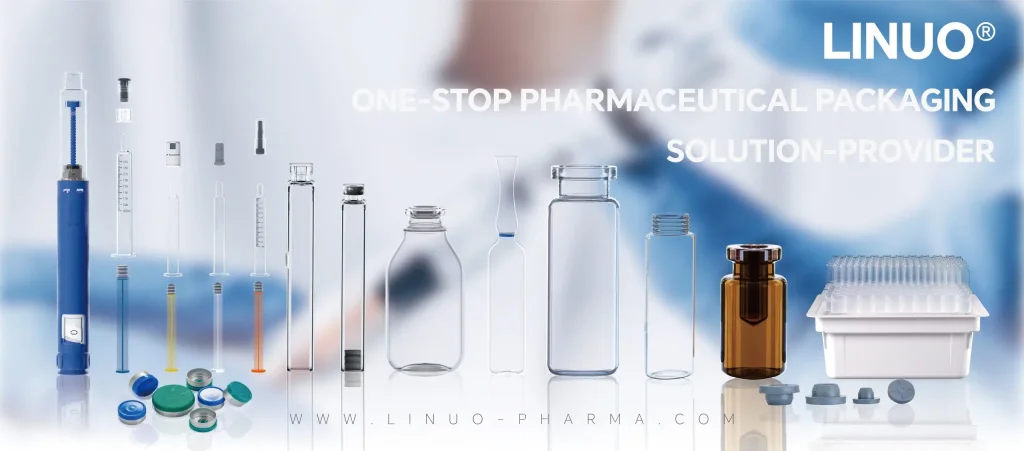
Approaching 2026, the pharmaceutical packaging sector continues to adapt to new therapeutic demands and supply chain realities. For drug developers specializing in injectables, prefilled cartridge systems are at the intersection of these changes. At LINUO, we monitor these developments closely to align our manufacturing with future needs. Based on current industry direction, we identify several focal points shaping the next generation of pharma cartridge systems, each connected to the core science of pharmaceutical glass tubing and container performance.
Enhanced Integration with Connected Drug Delivery Devices
A significant movement involves the cartridge evolving from a passive container to an integral component of smart delivery systems. We see growing interest in cartridges designed to interface seamlessly with devices that record dosage, timing, and adherence data. This trend requires a pharma cartridge to maintain all its traditional performance standards while also meeting new physical specifications for electronic integration. The precision of the glass becomes even more critical, as consistent dimensions ensure reliable mechanical operation within the smarter device. Our work with pharmaceutical glass tubing focuses on the exact tolerances needed for this interoperable future, where every pharma glass bottle component must function as part of a larger digital health ecosystem.
Focus on Sustainable Manufacturing and Lightweighting
Environmental responsibility is increasingly a operational priority, not just a regulatory one. For cartridge systems, this translates into a push for sustainable production practices and material efficiency. One key trend is the continued “lightweighting” of containers—engineering cartridges that use less material without sacrificing strength or barrier integrity. Achieving this relies on advanced processing of high-strength pharmaceutical glass tubing. The goal is to create a robust pharma glass bottle format that minimizes material use and reduces its carbon footprint from production through transportation, aligning with broader corporate sustainability goals.
Adaptation for High-Concentration and Viscous Formulations
The rise of biologic drugs, including peptides and monoclonal antibodies, often leads to highly concentrated, viscous formulations. These products challenge traditional delivery systems. The trend for 2026 involves cartridges specifically engineered for these demanding fluids. This requires innovations in the inner diameter and interior surface smoothness of the glass to ensure consistent plunger glide and complete dose expulsion. It is a direct application challenge that begins with the quality and workability of the pharmaceutical glass tubing. A pharma cartridge must solve the delivery challenge without compromising the stability of these high-value drugs.
The landscape for prefilled glass cartridges is being reshaped by the convergence of digital health, environmental strategy, and complex drug modalities. These trends point toward a future where the cartridge is a more connected, sustainable, and technically advanced component. Successfully addressing these directions depends on foundational expertise in material science and precision manufacturing. At LINUO, our preparation for 2026 is rooted in the mastery of pharmaceutical glass tubing, enabling us to produce a next-generation pharma cartridge. We are focused on ensuring that every pharma glass bottle system we provide is not just a container, but a forward-compatible solution ready to meet the evolving standards of drug delivery.