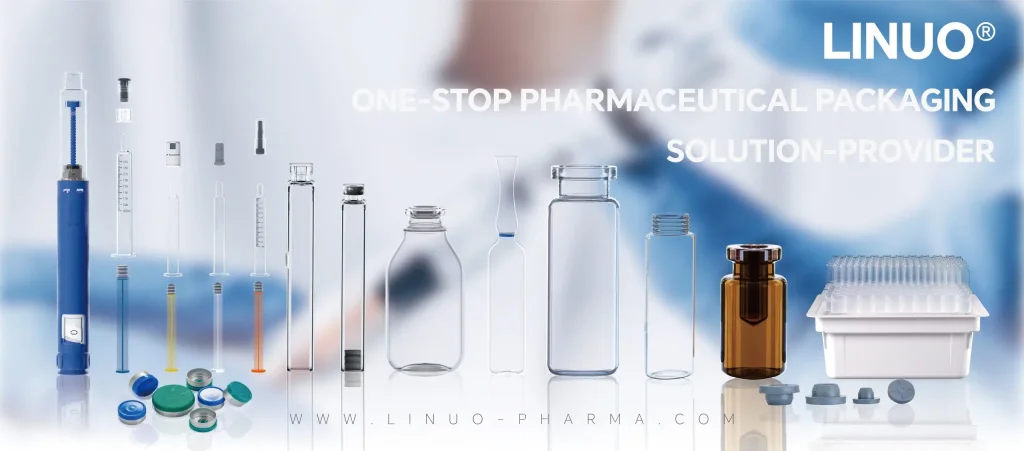
Pharmaceutical manufacturing requires a meticulous balance between speed, sterility, and precision. A central component in achieving this balance is the selection of primary packaging. RTU containers represent a specific category of ready to use products designed to enter the filling line after undergoing rigorous washing, sterilization, and depyrogenation processes at the manufacturer’s facility. Their implementation directly alters the efficiency equation for drug production. We will examine the nature of these systems and their specific role in refining the filling operation for RTU pharma applications.
The Composition and Pre-Processing of RTU Systems
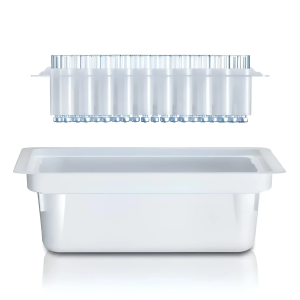
RTU containers are not singular items but integrated systems. This category typically includes RTU pharma formats such as syringes, cartridges, and vials, each comprising the primary container, a closure (like a stopper or tip cap), and often an outer protective package, such as a nest or tub. The critical differentiator is the state of these components upon delivery. A specialized manufacturer prepares them to a defined standard of cleanliness and sterility, validated to meet stringent compendial requirements. This pre-processing eliminates several initial, resource-intensive stages from the drug producer’s own workflow, shifting the responsibility for these critical steps to a partner with dedicated expertise in preparing ready to use products.
Direct Impact on Line Efficiency and Operational Footprint
The streamlined nature of RTU containers becomes evident on the production floor. By arriving ready for direct filling, they remove the need for on-site washing and sterilization suites. This reduction in required infrastructure can lower capital expenditure and free significant facility space. More directly, it shortens the overall process timeline. Production schedules are no longer dependent on internal cleaning cycle validation and equipment maintenance for these preparatory steps. The filling line can be dedicated to its core function—aseptic filling and stoppering—which allows for more agile production planning and faster batch turnaround, a clear advantage in RTU pharma manufacturing where speed to market is often crucial.
Enhancing Contamination Control and Process Reliability
A significant benefit of employing ready to use products is the strengthening of the contamination control strategy. The washing and sterilization processes are centralized at the container manufacturer’s facility, where they are the core competence. This specialization often leads to highly automated, consistent, and validated processes that minimize particulate and endotoxin load. For the drug manufacturer, this translates to a reduced bioburden introduction point at a critical stage. Furthermore, the standardized presentation of RTU containers in nested or tub formats allows for more reliable automated handling on the filling line, decreasing manual interventions and further safeguarding product sterility and operator safety.
The integration of RTU containers into pharmaceutical manufacturing is a strategic decision focused on process optimization. By redefining the division of labor between container preparation and drug filling, these ready to use products offer a tangible path to greater operational efficiency, enhanced sterility assurance, and improved facility utilization. For drug manufacturers evaluating their packaging strategy, the value of RTU pharma systems lies in this holistic streamlining effect. At LINUO, our role is to provide these precisely prepared RTU containers with the consistent quality and reliability that allows our partners to focus their expertise and resources on the science of the drug product itself, creating a more focused and resilient production model.